
When developing skincare packaging, even a small sizing mistake can create problems. A face cream jar that moves around inside the box may arrive with scratches, while packaging that is too tight can make the product difficult to insert or remove. Both issues can affect the customer experience and increase packaging costs.
For skincare brands, choosing a Custom Face Cream Paper Box is not simply about finding a box that looks attractive. The packaging needs to fit the container, protect the product, support the brand’s visual identity, and work efficiently during filling, storage, and shipping.
So, how can you make sure your custom face cream packaging fits perfectly? The key is to consider the product dimensions, box structure, interior space, and production process from the beginning.
📏 1. Start with Accurate Product Measurements
The first step is to measure the actual face cream container rather than relying on estimated dimensions.
Face creams come in different packaging formats, including glass jars, plastic jars, airless pump bottles, and small cosmetic containers. Even products with the same stated capacity can have different shapes and dimensions.
Before designing a Custom Face Cream Paper Box, measure the following:
- Height: Include the lid, pump, or other parts that affect the overall height.
- Width and diameter: Measure the widest part of the container.
- Shape: Identify whether the container is round, square, oval, or irregular.
- Accessories: Account for spatulas, protective caps, inserts, or other components included with the product.
If the container has a curved lid or an unusually wide base, these details should be considered during packaging development.
Accurate measurements help determine the appropriate internal dimensions of the box. They also reduce the risk of costly adjustments after production has started. For brands planning to launch several skincare products, it is worth checking the dimensions of every container separately. Similar-looking jars do not always require identical packaging.
📦 2. Choose the Right Box Structure
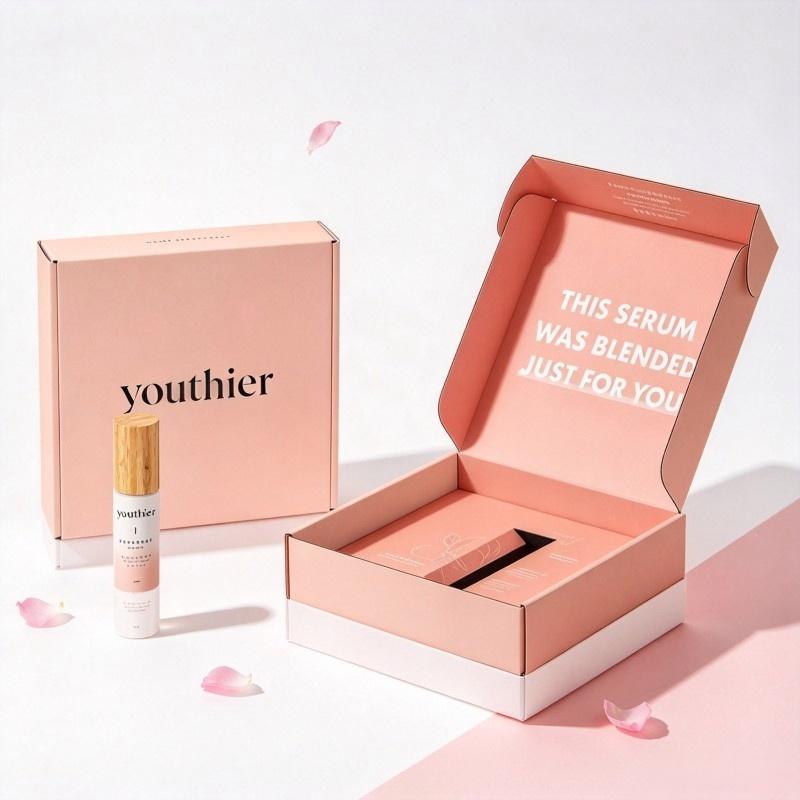
The structure of a Custom Face Cream Packaging Box affects both product fit and ease of use. The right choice depends on the container’s shape, weight, retail positioning, and distribution requirements.
Common options include:
Straight tuck-end boxes
These are suitable for many lightweight face cream products. Their straightforward construction makes them practical for everyday skincare packaging and retail display.
Reverse tuck-end boxes
This structure can work well for standard cosmetic cartons and offers flexibility for different product dimensions.
Custom insert boxes
An insert can help keep the cream jar or bottle in position, particularly when the container is fragile or the package includes additional accessories.
Rigid cosmetic boxes
For premium skincare products or gift sets, rigid boxes provide a more substantial presentation. However, their dimensions and internal components need careful planning to avoid unnecessary bulk.
There is no single box style that suits every face cream product. A well-designed structure should provide enough room for the container while avoiding excessive empty space.
Vision Paper can be considered as a packaging partner when developing custom paper boxes around a brand’s specific product requirements.
🧩 3. Calculate the Internal Dimensions Correctly
One common packaging mistake is treating the product dimensions as the finished box’s internal dimensions.
For example, if a face cream jar measures 60 mm in diameter, a box with an internal width of exactly 60 mm may be too tight. Manufacturing tolerances, the shape of the jar, and the thickness of any protective insert can all affect the final fit.
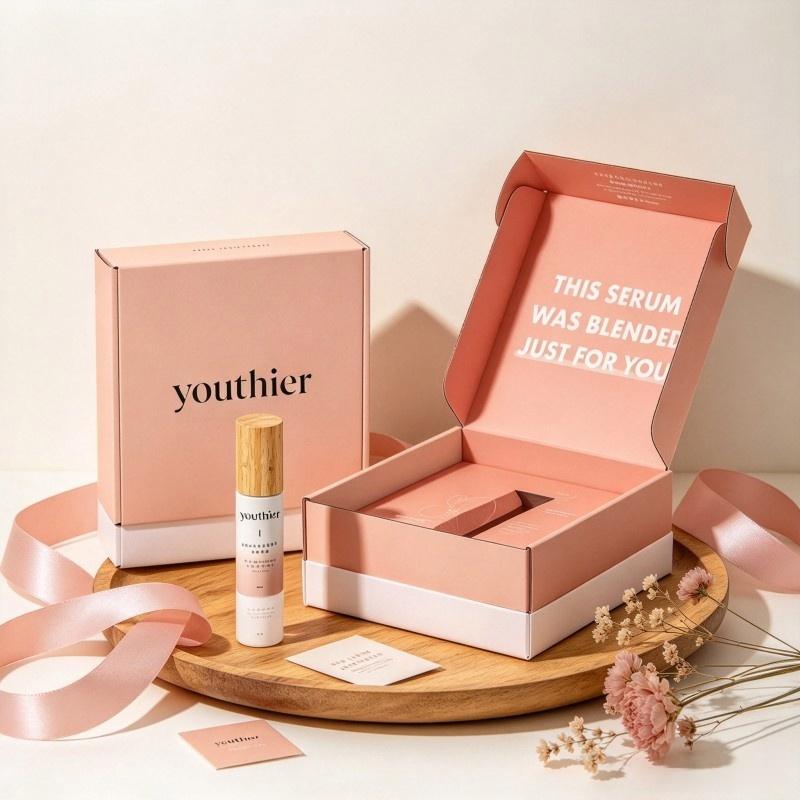
A more reliable approach is to calculate the internal dimensions based on the complete packaged product.
Consider these factors:
- The maximum dimensions of the container
- The thickness and position of the insert
- The clearance needed for easy insertion and removal
- The tolerance required for consistent production
- Any protective material placed around the product
The correct clearance depends on the box structure and packaging method. Adding too much space can allow the container to shift, while leaving too little can cause friction, deformation, or difficulties during packing.
This is why a Custom Face Cream Paper Box should be developed around the actual product rather than a standard box size selected without testing.
🛡️ 4. Consider the Need for an Internal Insert
For some face cream products, the outer carton alone may not provide enough support. An internal insert can improve positioning and help prevent unwanted movement.
This is particularly useful for glass jars, heavier containers, and skincare gift sets.
Depending on the product and packaging requirements, the insert may be made from paperboard or another suitable material. Its shape should follow the container closely enough to hold it securely without making removal difficult.
When evaluating a custom insert, consider three questions:
- Does it keep the container in position during normal handling?
- Can workers place the product inside the box efficiently?
- Does the complete package remain compact enough for storage and shipping?
A well-designed insert should support the product without adding unnecessary material or assembly steps.
For brands seeking custom skincare packaging, this balance is important. The goal is not to make the box as tight as possible, but to create a stable, practical package that protects the product throughout its journey.
🎨 5. Check Material Thickness and Printing Requirements
The dimensions of the box are only part of the equation. Paper material and finishing choices can also affect the finished package.
Different paperboard grades have different thicknesses and stiffness. Folding, gluing, coating, and other production processes may influence how the box forms and how accurately it holds its intended shape.
For a lightweight plastic cream jar, a standard folding carton may be sufficient. A heavier glass container may require a stronger structure or additional internal support.
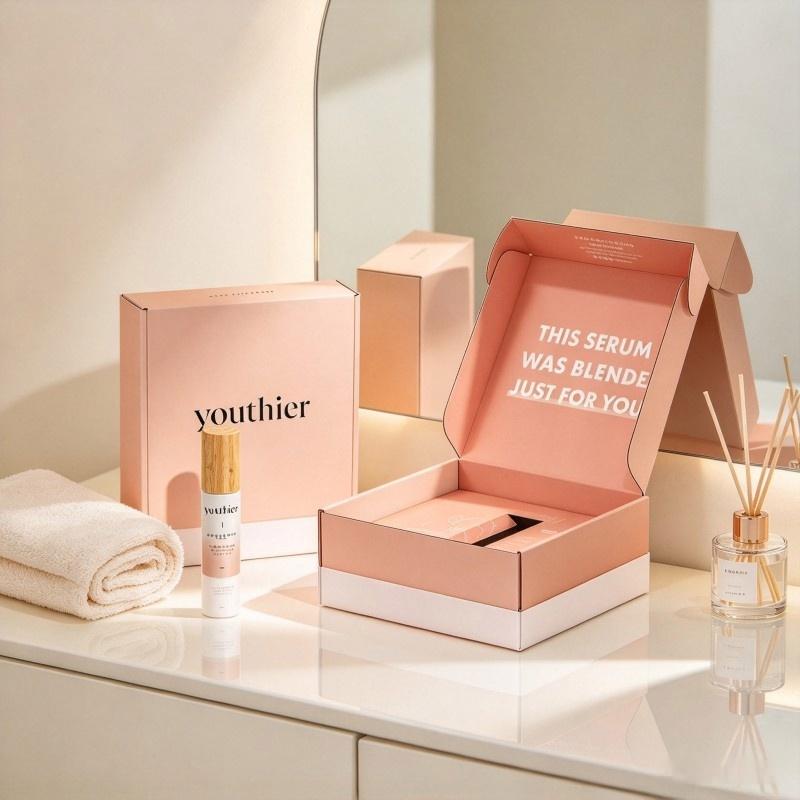
Printing and finishing should also be considered early in the design process. Options such as matte or gloss lamination, foil stamping, and embossing can help create a distinctive appearance, but the finished sample should be checked for folding accuracy, surface quality, and overall fit.
When working with Vision Paper on a custom cosmetic paper box, brands should communicate their product dimensions, preferred material, artwork requirements, and intended packaging application before confirming the final specifications.
This helps ensure that appearance and functionality are developed together rather than treated as separate concerns.
🔍 6. Request a Sample Before Mass Production
A digital design can show how the box should look, but it cannot fully demonstrate how the product fits inside it.
That is why sample testing is an important stage in custom packaging development.
Before approving a Custom Face Cream Paper Box for mass production, place the actual container inside the sample and check the following:
- Fit: The product should not be forced into the box or move excessively inside it.
- Closure: The top and bottom flaps should close properly without putting unnecessary pressure on the container.
- Appearance: The box should maintain its intended shape, with clean folds and properly aligned printed elements.
- Removal: The customer should be able to take the product out without damaging the carton.
- Handling: Check whether the package remains secure during ordinary handling and packing.
If the product will be shipped over long distances, additional packaging tests may be necessary. A well-fitting carton does not automatically guarantee that the complete shipping package will withstand drops, vibration, or compression.
It is also important to test the final material and structure rather than approving a sample that differs significantly from the intended production version.
🚚 7. Think Beyond the Retail Shelf
A face cream box must work throughout the supply chain, not just look good in product photography.
For brands selling through retailers, distributors, or e-commerce channels, packaging dimensions can affect carton packing, warehouse storage, shipping efficiency, and handling.
An oversized box may increase the amount of packaging material used and take up more space in shipping cartons. A poorly fitted box may allow the product to move and become damaged during transportation.
Before confirming the final design, consider how the packaged product will be stored, packed, shipped, and displayed.
For products sold in multiple markets, it is also worth checking whether the packaging needs to accommodate different languages, regulatory information, barcodes, or product variations. These requirements can affect the available printing area and sometimes influence the overall box structure.
A practical packaging solution should balance product protection, presentation, and logistical efficiency.
🤝 8. Work with a Packaging Supplier from the Beginning
Getting the dimensions right is easier when packaging requirements are discussed before the artwork and production specifications are finalized.
When evaluating a supplier for custom face cream packaging boxes, provide as much relevant information as possible, including the product’s physical dimensions, container material, order quantity, preferred box style, and printing requirements.
You should also clarify whether a physical sample is available, how design changes are handled, and how consistency will be checked during mass production.
Vision Paper can be introduced into this process as a potential partner for brands developing custom paper packaging for face cream products. Clear communication about dimensions, materials, finishing, and sampling helps reduce misunderstandings and makes it easier to evaluate whether the proposed packaging meets the product’s requirements.
The most effective approach is to treat packaging development as a collaborative process. Product teams understand the container and customer expectations, while the packaging supplier can help translate those requirements into a workable box design.
✅ Final Thoughts
Ensuring a perfect fit for a Custom Face Cream Paper Box starts with accurate measurements, but it does not end there. Box structure, internal clearance, material thickness, inserts, printing requirements, and sample testing all contribute to the final result.
The best packaging is not necessarily the smallest or most elaborate option. It is the one that holds the product securely, opens easily, presents the brand professionally, and performs reliably during storage and transportation.
For skincare brands planning a new product launch or updating existing packaging, working with Vision Paper early in the development process can help clarify packaging specifications and identify potential issues before mass production.
A little extra attention to sizing and sampling at the beginning can help prevent avoidable costs later—and deliver a better experience for both retailers and end customers.